
Earthquake Preparedness
Learn about Earthquakes in North Carolina
North Carolina experiences earthquakes every year, particularly in the mountains and western regions of the state. Explore maps, historical events, and geological information from the North Carolina Geological Survey.
In the News
Watch a UNC professor explain the 2023 earthquake swarm near Canton
Earthquake Patterns
Mainshock-Aftershock Pattern
Many earthquakes follow a pattern known as a mainshock-aftershock sequence. In its simplest form, the largest earthquake occurs first, followed by a series of smaller earthquakes that gradually decrease over a period ranging from weeks to decades.
Swarm Pattern
Not all earthquake sequences follow the mainshock-aftershock pattern. In some cases, the largest earthquake may occur in the middle of a sequence rather than at the beginning. Other sequences may contain many earthquakes of similar magnitude, or activity levels that remain steady or even increase over days, weeks, or months.
Sequences that do not fit the typical mainshock-aftershock pattern are generally considered earthquake swarms.
The term "swarm" is usually applied when a relatively large number of earthquakes occur within a small geographic area and do not follow the characteristics of a mainshock-aftershock sequence.
Source: U.S. Geological Survey
What does an earthquake feel like?
The way an earthquake feels depends on where you are, where the earthquake is, and how big the earthquake is:
- A large earthquake nearby will feel like a sudden large jolt followed quickly by more strong shaking that may last a few seconds or up to a couple of minutes if it's a rare great event. The shaking will feel violent and it will be difficult to stand up. The contents of your house will be a mess.
- A large earthquake far away will feel like a gentle bump followed several seconds later by stronger rolling shaking that may feel like sharp shaking for a little while.
- A small earthquake nearby will feel like a small sharp jolt followed by a few stronger sharp shakes that pass quickly.
- A small earthquake far away will probably not be felt at all, but if you do feel it, it will be a subtle gentle shake or two that is easier to feel if you're still and sitting down.
Historic WNC Earthquakes
Source: USGS Professional Paper 1527
Near Waynesville, Haywood County
Tops of chimneys were thrown to the ground; windowpanes were broken in many houses; and people rushed into the streets at Waynesville. At Sevierville, Tenn., about 70 km northwest of Waynesville, bricks were shaken from chimneys. In Wear's Cove, about 16 km southwest of Sevierville, the flow of water in springs increased and in places water became muddy. Minor damage was reported in western Tennessee at Athens, Knoxville, Maryville, Morristown, and Newport, Tenn.; at Tryon, N.C.; and at Bristol, Va. Also reported felt in Alabama, Georgia, Kentucky, South Carolina, and West Virginia.
Southern Mitchell County
A sharp local earthquake in Mitchell County caused minor damage; one downed chimney, cracks in chimneys and foundations of houses, broken water pipes and glassware, and shifting of houses on foundations. Ground cracks also were reported. Damage was con- fined to an area about 1 km long and 275 m wide. Town names were not mentioned in any of the accounts on this event.
Buncombe County area
Minor damage reported in western North Carolina included cracks in walls and plaster at Asheville, cracks in retaining wall at Marshall, damaged chimneys and cracks in plaster at Swannanoa, and cracks in plaster at Weaverville. Also reported felt in Haywood and Madison Counties, N.C., and at Flag Pond, Tenn.
Northwest Jackson County
At Hartford, Tenn. (about 70 km southeast of Knoxville), slight damage to buildings included a crack in one wall and a kitchen that was separated from the rest of the house. The earthquake shifted furniture in Jackson County, at Cherokee and Sylva, N.C., about 50 km south of Hartford, Tenn. Also felt in South Carolina. Magnitude 4.0
Northwest Jackson County
Cracks formed in windows and a concrete patio in Hendersonville, and one sidewalk shifted 5 cm. Cracks also occurred in drywall and a house foundation a few kilometers southeast of Hendersonville, at Zirconia. Water in several wells became muddy in the Dana area. Also felt in South Carolina, Tennessee, and Virginia. Magnitude 3.3
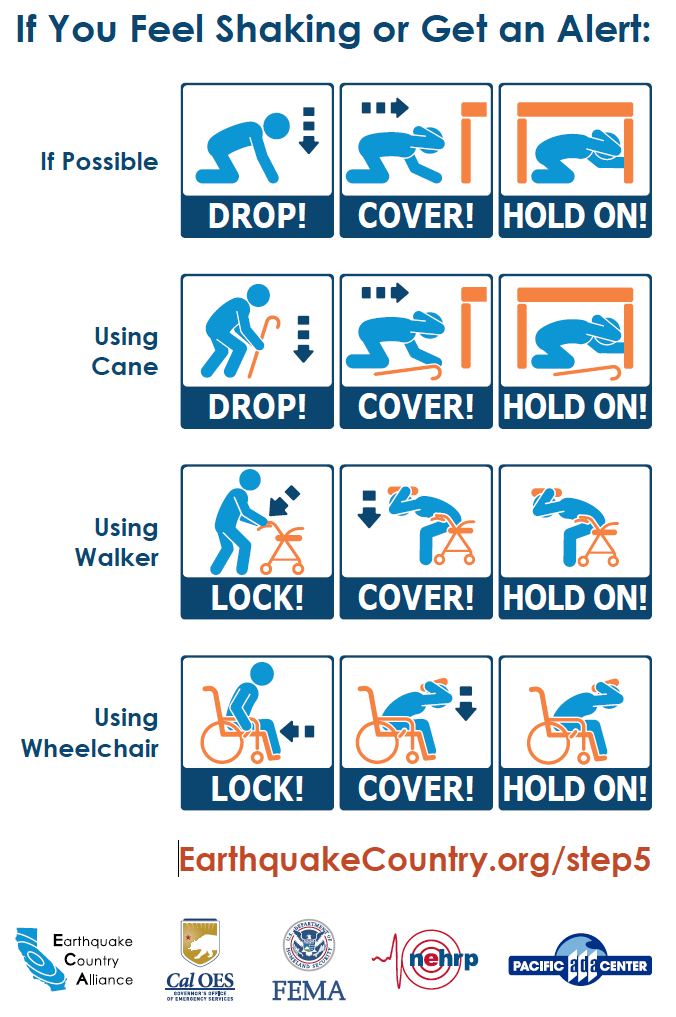
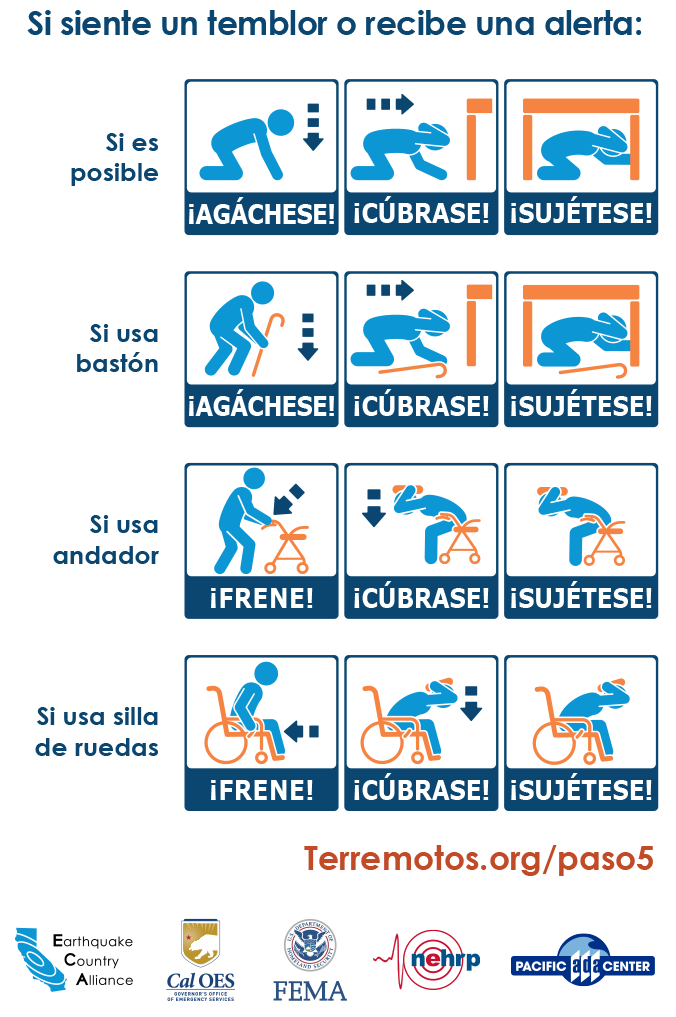
Drop, Cover, Hold On
Earthquake Insurance
Earthquakes can damage homes, disrupt income, and create unexpected expenses with little warning. Taking steps now to build a financial safety net can make recovery faster and less stressful.
Earthquakes Can Drain Your Bank Account
PLAN FOR WHAT YOU CAN CONTROL
Federal relief funds may not cover immediate costs.
Where would you go if an earthquake damages your home?
How would you pay for immediate costs like repairs or replacement housing?
SET UP A SAFETY NET YOU CAN RELY ON
Earthquake Insurance
Parametric Insurance
Income
Savings
Take Steps Now
- Explore full insurance options or research partial coverage policies
- Add money to savings account
CONTACT YOUR INSURANCE AGENT
Earthquakes can be emotionally and financially devastating events for both renters and homeowners. Avoid dipping into your retirement or college savings to recover after an earthquake; buy insurance now.
DID YOU KNOW?
$250 K
Maximum Small Business Administration Loan Amount
$5 K
Average FEMA Individual Assistance Payout


